
Lipedema treatment Stuttgart
Effective solutions for more well-being and quality of life
Lipedema is a chronic fat distribution disorder that affects women almost exclusively and is often associated with considerable discomfort. It is characterized by disproportionate fat accumulations, usually on the hips, buttocks and legs, which in many cases also extend to the arms. These fat accumulations are often out of proportion to the rest of the body and cannot be reduced despite diet and exercise.
While the exact causes of lipedema have not yet been fully clarified, scientific findings indicate that genetic predisposition and hormonal influences play a significant role. Lipedema occurs particularly frequently in connection with hormonal changes such as puberty, pregnancy or menopause, which points to hormonal involvement in the development of the condition.
Affected women often suffer from a feeling of tightness, pain and an increased tendency to bruise, caused by the increased pressure in the tissue. The condition can progress over time and, if left untreated, lead to a worsening of symptoms. Early diagnosis and targeted treatment are therefore essential to relieve symptoms and enable a lasting improvement in quality of life. Depending on the stage of the lipedema, a combination of conservative measures and surgical procedures may be the best solution.
Key facts about lipedema treatment in Stuttgart
| Duration of surgery: | 1–4 hours |
|---|---|
| Special features: | state-of-the-art & gentle technique (water-jet method), extensive expertise in lipedema, can be combined with lifts |
| Type of anesthesia: | local anesthesia (tumescent anesthesia), general anesthesia if necessary (for large suction volumes, e.g. lipedema, or combined operations) |
| Hospital stay: | outpatient, 1 overnight stay if needed (for large-volume liposuction or combined surgery) |
| Aftercare: | Physical rest for approx. 1–2 weeks, compression garment for at least 6 weeks, scar care, sun protection, regular follow-up appointments for 1 year, |
| Suture removal: | none, usually not necessary as the sutures are self-dissolving |
| Back to social life: | after 2–7 days depending on the course of healing and the region |
| Back to work: | after approx. 1 week for light office work, after approx. 2 weeks for heavy work |
| Sports activities: | after 1–6 weeks (depending on the sport) |
| Treatment costs: | from €1,500 (depending on location, extent and number of regions) |
* The costs of anesthesia and accommodation in the private clinic are invoiced separately and transparently.

4,98715 reviews
What our patients say
Based on 715+ reviews
Diagnosis and treatment options
Lipedema is ideally diagnosed by a phlebologist or a specialist in plastic and aesthetic surgery. Through a combination of clinical examination, medical history and, if necessary, imaging procedures, lipedema can be reliably diagnosed and classified into three stages (I–III).
Conservative treatment
Various conservative methods are used to relieve the symptoms, including:
- Compression therapy: Wearing special compression garments supports lymph flow and reduces swelling.
- Manual lymphatic drainage: This special massage technique helps to minimize congestion in the tissue.
- Exercise therapy and nutritional optimization: Regular exercise and a healthy diet can have a positive effect on the course of the condition.
These measures can relieve symptoms, but do not reduce the diseased fatty tissue.
Surgical treatment
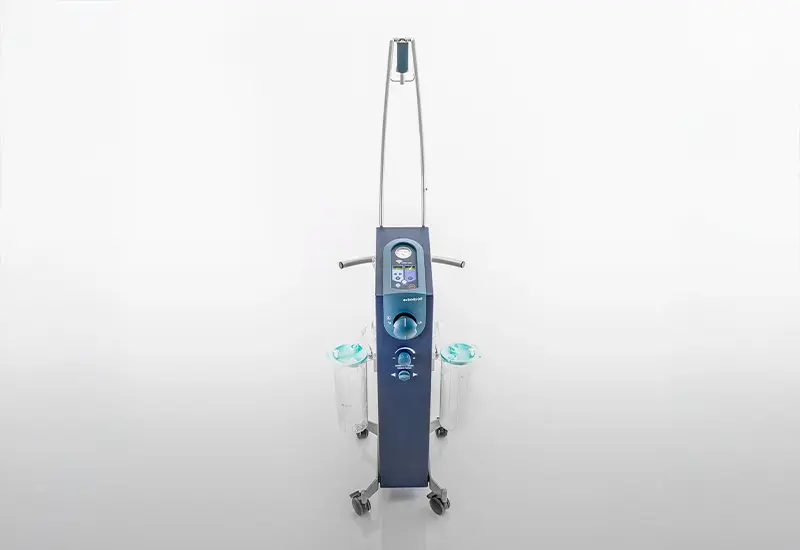
Water-jet-assisted liposuction (WAL) is currently the most effective method for removing the diseased fatty tissue. With this gentle technique, the tissue is loosened with a fine water jet and suctioned off in a targeted way. This can significantly reduce pain and feelings of tightness.
Consultation on lipedema treatment
Before lipedema surgery, a comprehensive consultation takes place in which your symptoms, expectations and possible treatment options are discussed in detail. The exact planning of the procedure depends on the stage of the lipedema, the affected body region and individual physical circumstances. The question of whether health insurance might cover the costs can also be addressed here.

The lipedema operation
Preparation and anesthesia
Liposuction for lipedema is performed on an outpatient basis or, for more extensive procedures, with a short inpatient overnight stay for postoperative monitoring. Before the procedure, the affected region is marked and infiltrated with a special tumescent fluid. This fluid serves not only as local anesthesia but also loosens the fatty tissue to allow particularly gentle removal and minimize the risk of postoperative complications.
Removal of the diseased fatty tissue
This is followed by the actual suction of the pathologically altered fatty tissue using water-jet-assisted liposuction (WAL). This technique uses a fine, fan-shaped water jet to detach the fatty tissue in a targeted way without damaging surrounding structures such as nerves and lymph vessels. This leads to reduced trauma to the tissue and a faster recovery time.
Depending on the severity and area of the lipedema, the procedure can take between 1 and 4 hours. Immediately after the operation, an individually fitted compression garment is put on to reduce postoperative swelling, promote tissue regeneration and ensure the best possible shaping of the treated region. Patients receive detailed aftercare instructions to optimally support the healing process and secure the desired aesthetic and functional result.

How much does lipedema treatment cost?
The cost of lipedema surgery varies depending on the extent of the procedure, the number of areas to be treated and the chosen type of anesthesia. Treatment costs start from €1,500, but may be higher depending on individual circumstances. A detailed cost plan that takes all relevant factors into account is drawn up as part of a personal consultation.
Risks of lipedema treatment
As with any surgical procedure, liposuction involves certain risks. In the first few days after the operation, swelling, slight bruising and temporary sensory disturbances may occur. These usually subside within a few weeks. Infections or serious complications are rare and can largely be avoided through careful aftercare and following medical instructions.
Frequently asked questions (FAQs) about lipedema treatment in Stuttgart
How is liposuction for lipedema performed?
The procedure is usually performed on an outpatient basis or with a short inpatient overnight stay. The affected areas are treated with a tumescent solution that loosens the fatty tissue. The diseased fat is then removed in a targeted and particularly gentle way using water-jet-assisted liposuction (WAL). A compression garment is put on immediately after the operation to support the healing process.
How long does recovery take after liposuction for lipedema?
Patients should take it easy and avoid physical strain in the first few days after the operation. Light activities can often be resumed after a few days. Wearing compression garments for at least 6 weeks is essential to support healing and shape the tissue optimally. Sporting activities are usually possible again after 4 to 6 weeks.
Will health insurance cover the costs of liposuction for lipedema?
Since 2020, German statutory health insurance can cover liposuction in certain cases, in particular when stage III lipedema has been diagnosed. In all other cases, an individual application for cost coverage must be submitted. Private insurers may also reimburse costs depending on the plan.
Is the result of liposuction permanent?
Yes, the removed fat cells do not regenerate. However, it is important to maintain a healthy lifestyle with a balanced diet and regular exercise in order to preserve the result in the long term.
Can lipedema recur after the operation?
The fat cells removed by liposuction do not grow back. However, lipedema can worsen in other parts of the body with hormonal changes or significant weight gain. Early treatment can prevent the condition from progressing.